
The Stanford Inn Story
A Life Shaped by Nature, Creativity, Compassion & Change
The Stanford Inn was never created from a master plan. It grew from a series of choices, discoveries, relationships and sometimes unexpected turns that shaped not only an inn, but the lives of Joan and Jeff Stanford.
Their journey began in hospitality in Carmel in 1975 and brought them to Mendocino five years later, where they discovered a small lodge overlooking Big River and the Pacific Ocean. They arrived young, with a baby on the way, generous mentors beside them, and much still to learn. What followed was more than four decades of exploration — of hospitality, organic gardening, plant-based living, wellness, creativity, sustainability and the relationship between people and the natural world.
Again and again, something Joan or Jeff discovered personally found its way into the Stanford Inn experience. A love of the land became organic gardens. A growing understanding of animals changed the food they served. An interest in health and human potential brought massage, yoga and wellness to the Inn. Joan’s exploration of psychology, art therapy and creativity eventually became Creative Playshops. Their beliefs did not simply shape their lives. They shaped the place they shared with others.
Today, many of the things that distinguish the Stanford Inn can be traced to moments along this journey.
This is their story.
1975 | Where It Began
Rosita Lodge, Carmel
In November 1975, Joan and Jeff Stanford were asked to help set up and manage a motel in Carmel. They were in their twenties, Jeff newly out of graduate school, and neither could have known where saying “yes” would eventually lead.
There they met Patsy and Chuck Watts, owners of the nearby Vagabond House, who became important mentors and friends. Hospitality became more than a business. It became a way of welcoming people into a place and creating experiences that could stay with them long after they left.
1978 | Discovering Northern California
When Patsy and Chuck traded the Vagabond House for the Benbow Inn in Northern California, they asked Joan and Jeff to help train the staff working with the new owner.
In helping their mentors make the move north, Joan and Jeff discovered something themselves.
They fell in love with Northern California.
1980 | Finding Mendocino — and Their Inn
In April 1980, Joan and Jeff left Carmel and joined Patsy and Chuck at the Benbow Inn while searching for a property of their own.
The search took them through Northern California and eventually to the Mendocino Coast. They toured homes, a former boarding school and several inns, but returned to Benbow without finding the right place.
Then came news that changed everything:
Joan was pregnant.
Soon afterward, Joan spotted a small classified advertisement in the San Francisco Chronicle for a lodge in Mendocino.
They went to see it.
Katherine and Art Williams owned the lodge and lived on the same land. They believed the young couple was a wonderful match for the property and even offered to help them with the down payment.
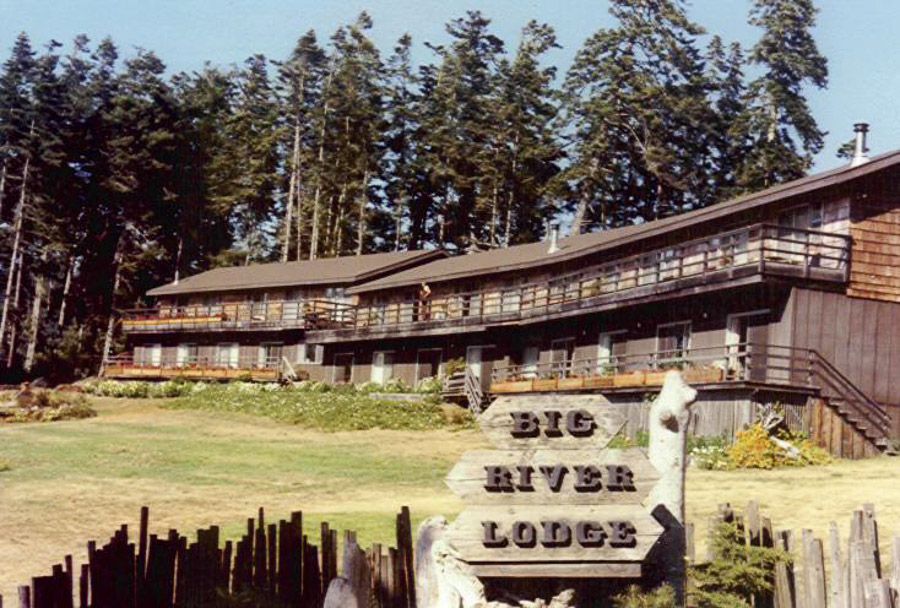
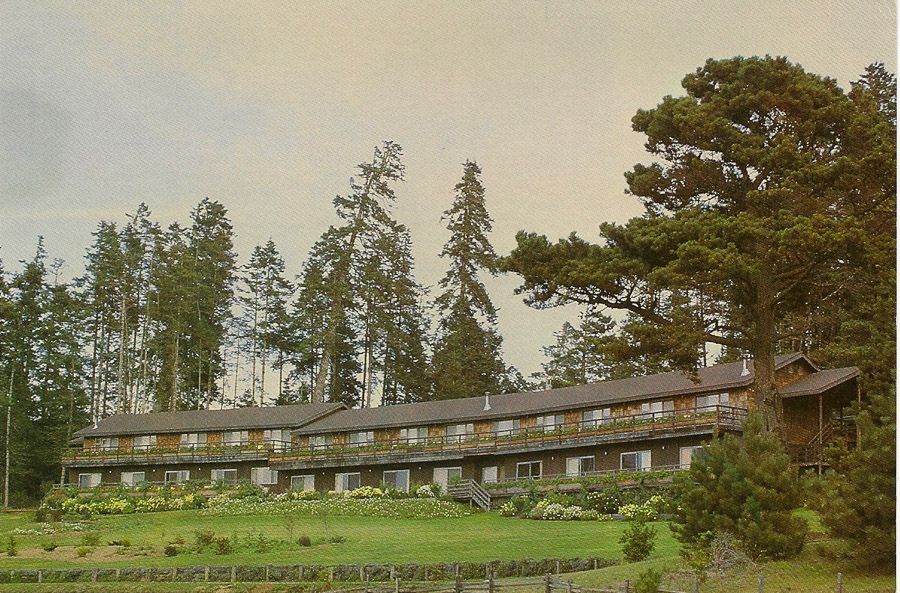
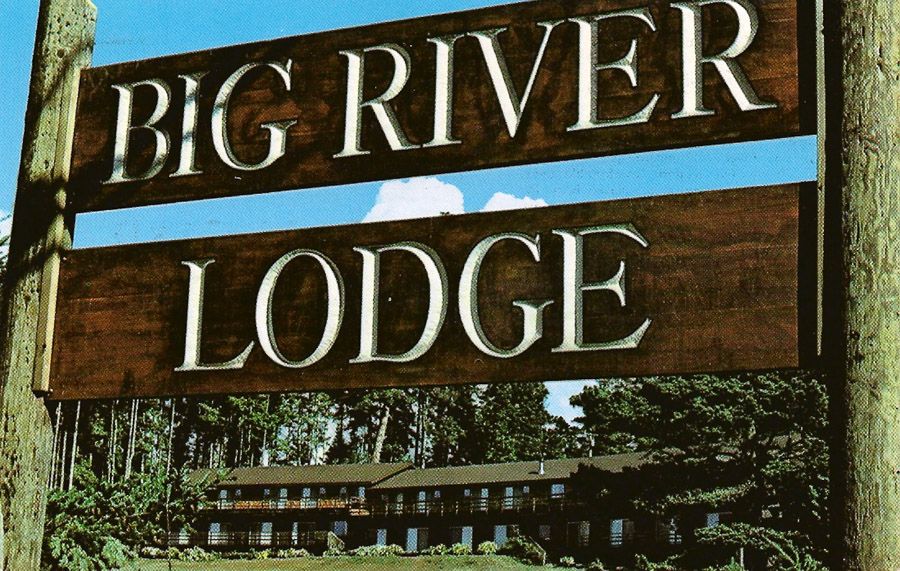
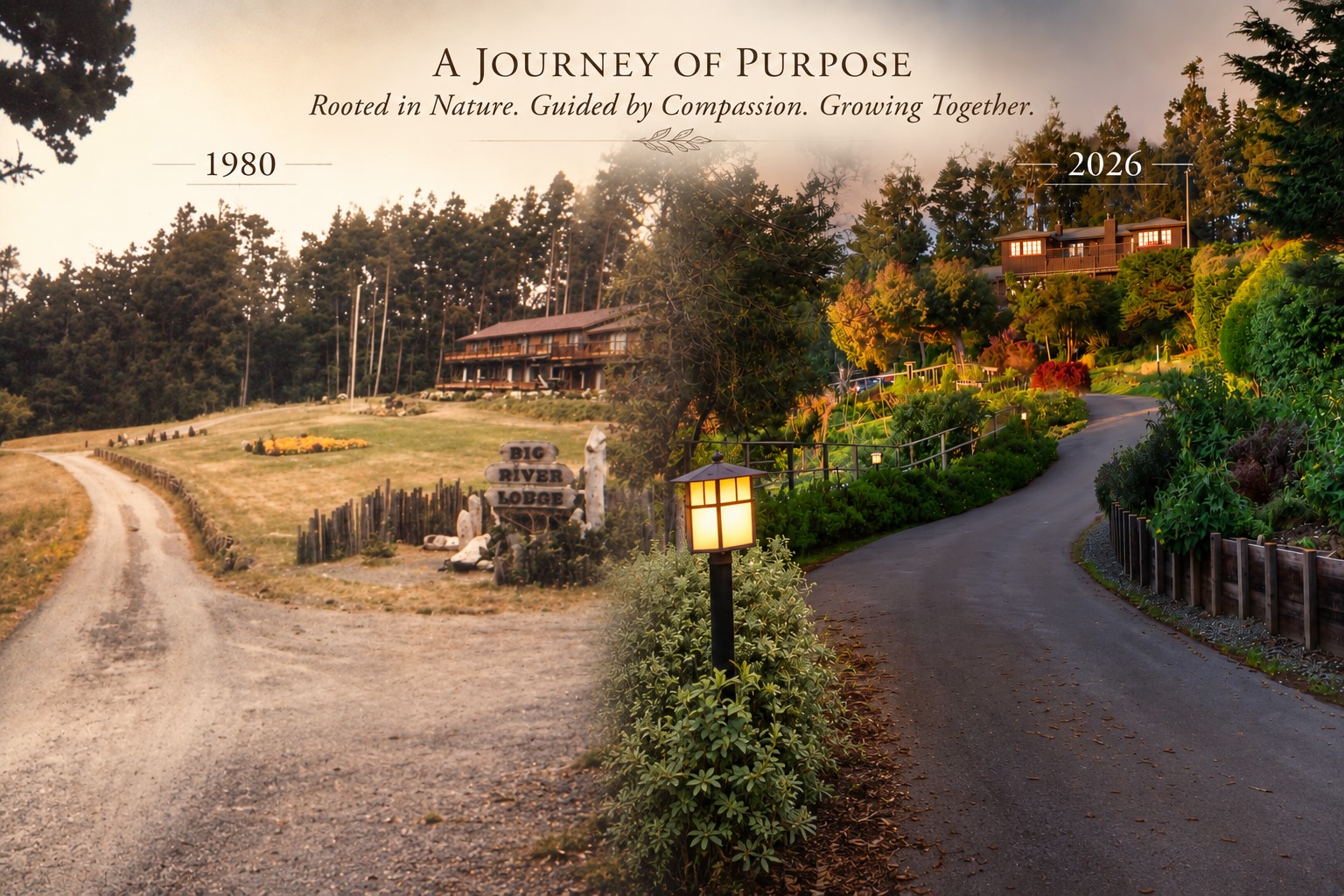
Joan and Jeff had found Big River Lodge.
On September 15, 1980, they took possession.
Waiting for them in the parking lot was Alpha Hefley, the innkeeper and head of housekeeping. Alpha would become far more than an employee. She would become part of the Stanford Inn story.
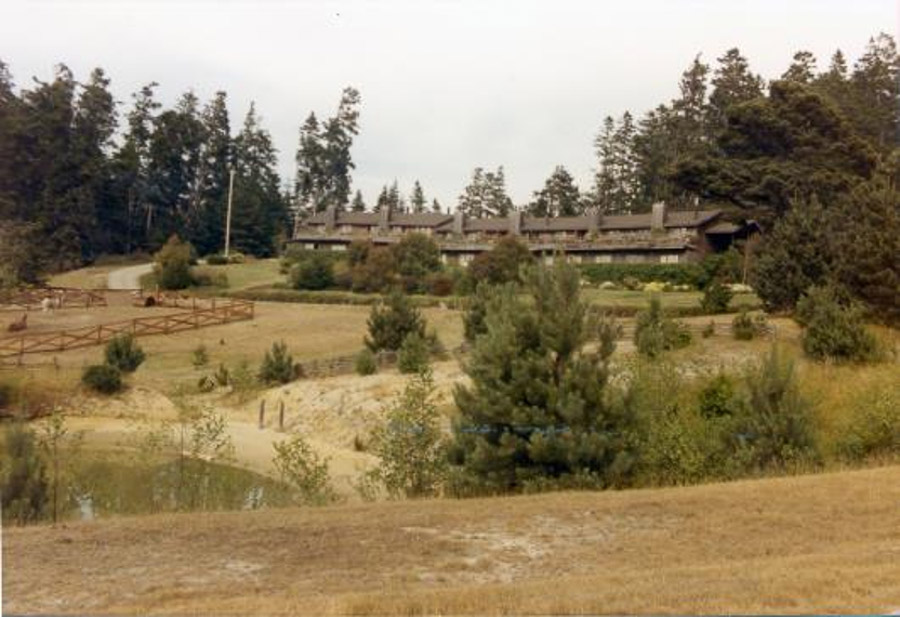
1980–1983 | Building a Home, a Family and an Inn
The early years were filled with beginnings.
During the first few months, Joan and Jeff enclosed a covered walkway to create a reception area. And one evening during their first month, Joan looked out over the property to Mendocino Bay and commented, “If those trees weren’t there, we’d have a great view!” The trees were cypresses that formed a green wall.
January, 1981, severe storms raged on the Coast. The row of Cypresses came down. Nature seemed to be helping. Joan, Jeff, and one of their first employees, Jill Titus, were planting gardens on the hillside. Jeff began installing fireplaces, redwood-framed windows and French doors built by a local craftsman to all the accommodations.
There were also the less romantic realities of innkeeping — including a well that stopped producing water and Jeff injuring his fingertips badly enough to require surgery.
And in the middle of it all, their family grew.
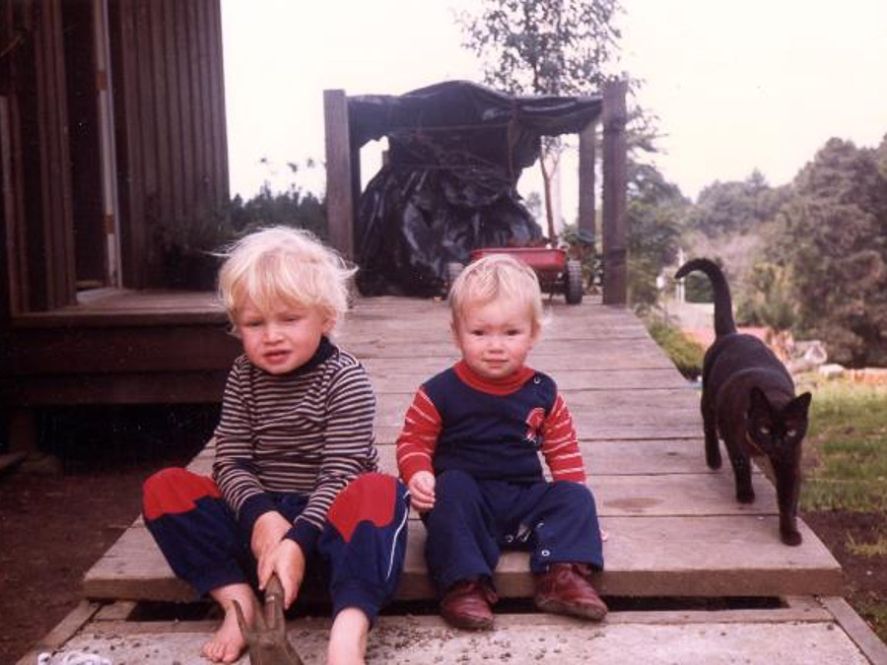
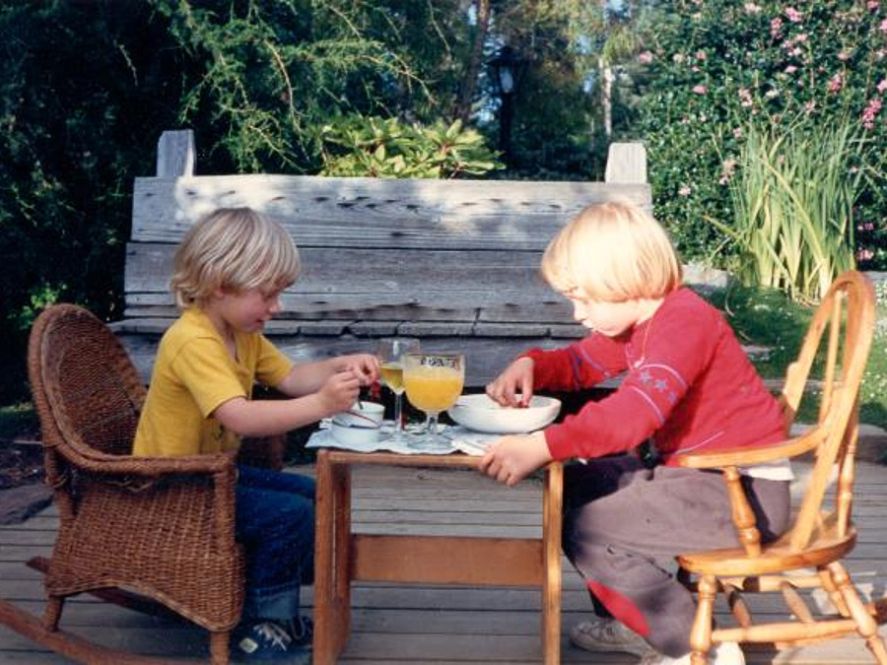
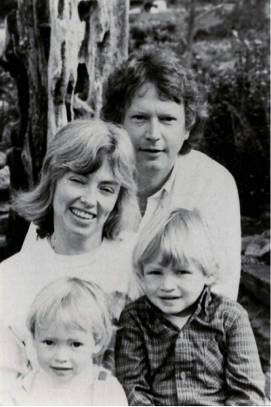
Alex was born in March 1981, followed by Kate in January 1983. Alpha helped care for the children while Joan and Jeff worked, becoming an important presence in both their family and the Inn.
The business and the family were growing up together.
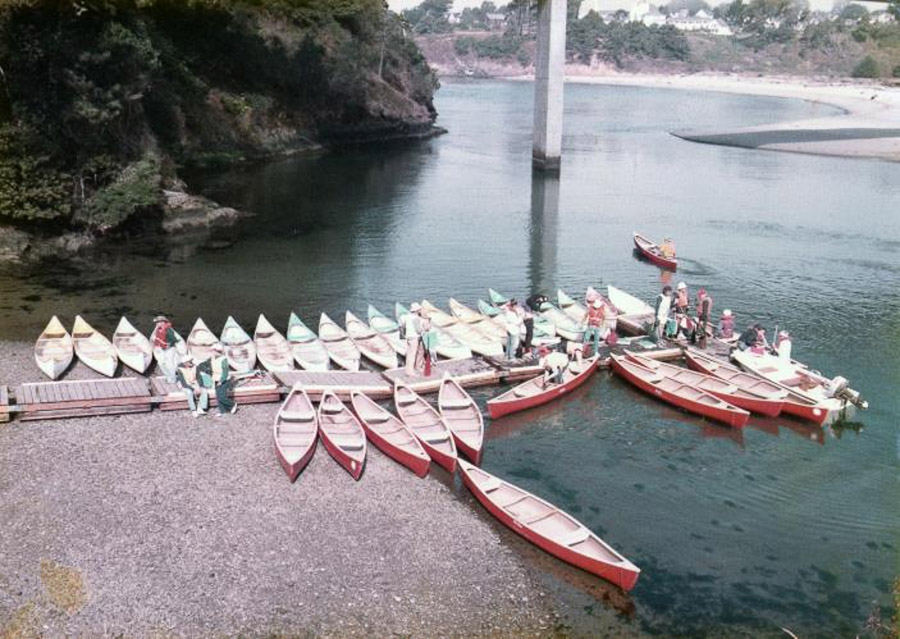
1983 | Protecting the Land — Catch A Canoe
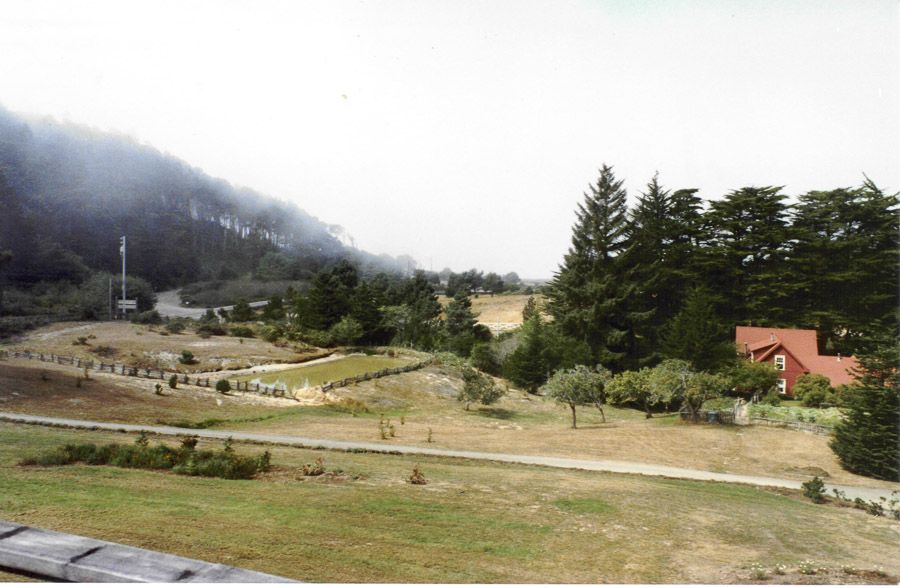
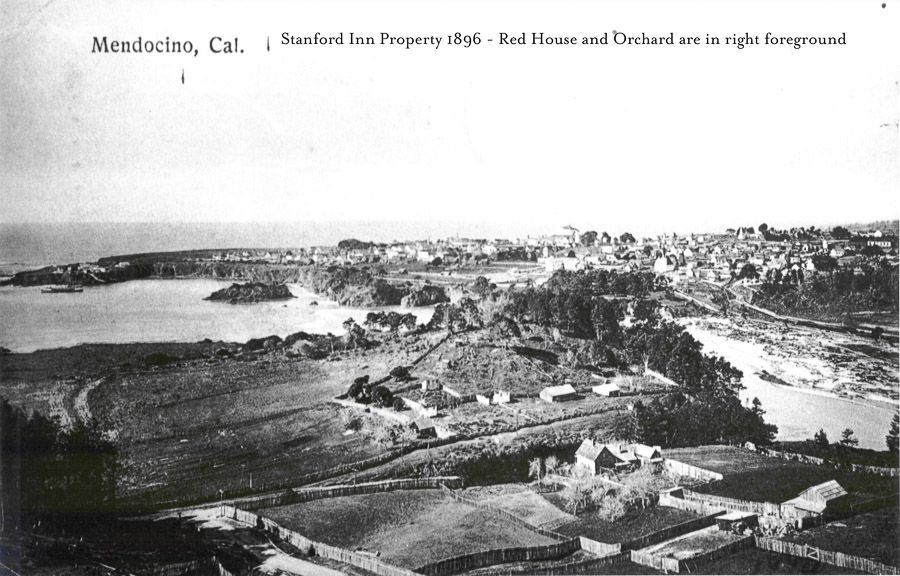
When the property in front of the Inn came up for sale, its zoning could have allowed a strip mall to be built there.
For Joan and Jeff, protecting the land surrounding the Inn mattered deeply.
Despite limited resources, they entered a bidding war to purchase the property. Even their real estate agents helped make the acquisition possible by offering to lend their commission.
The purchase left Joan and Jeff financially stretched to the point that they weren’t certain how they would make payroll.
Then Jeff discovered a $5,000 check from Alpha.
Once again, someone who believed in what they were building helped carry them forward.
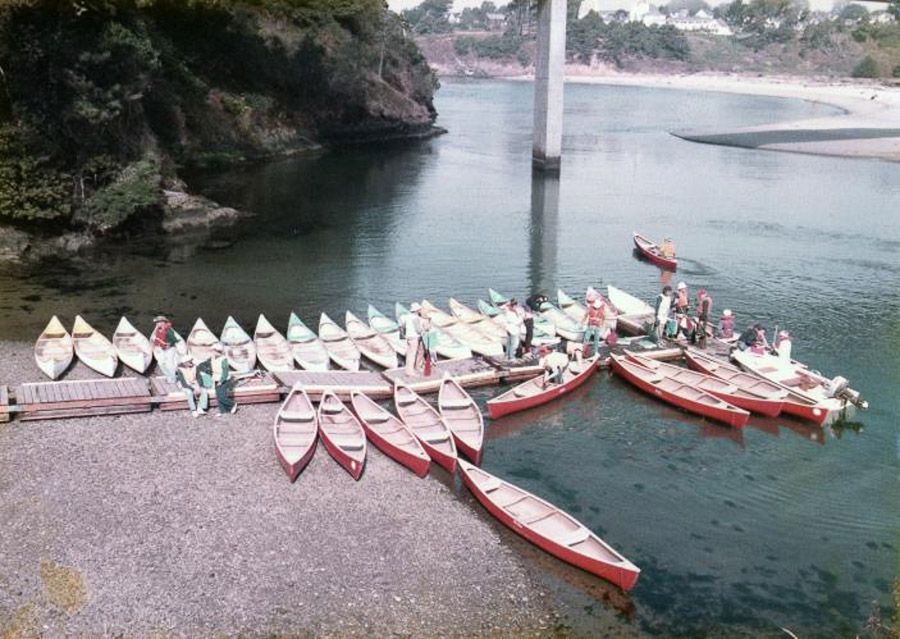
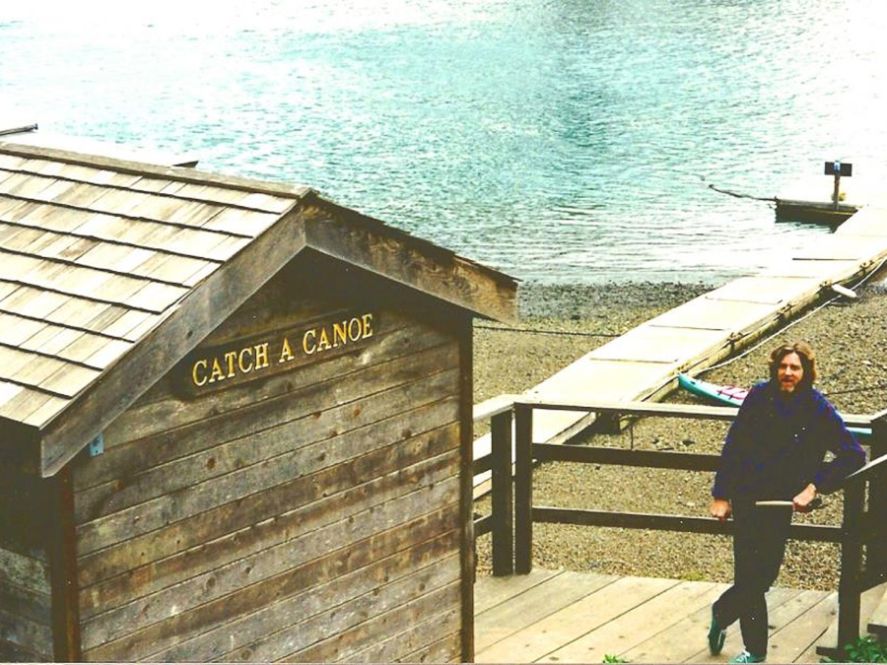
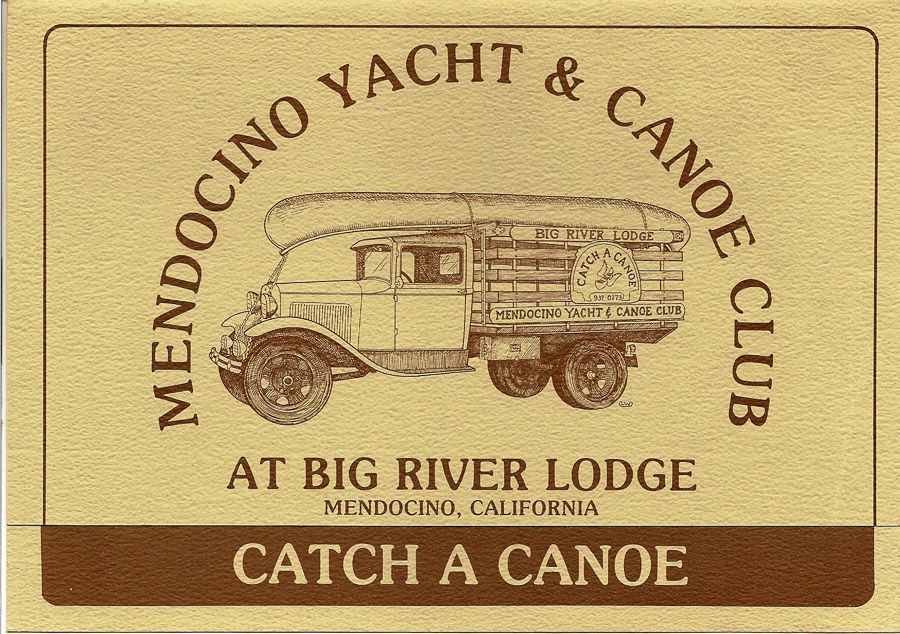
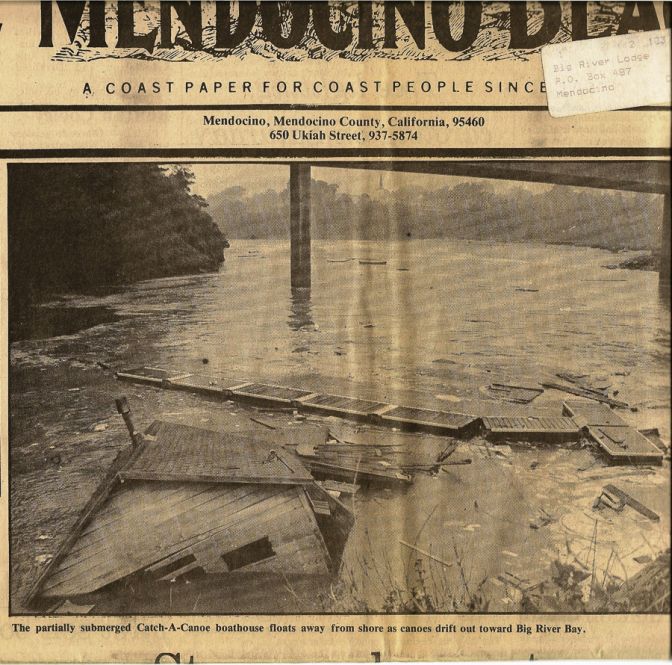
The newly acquired property came with a closed business, Catch A Canoe, that Joan and Jeff reopened and later expanded to Catch A Canoe & Bicycles, Too!
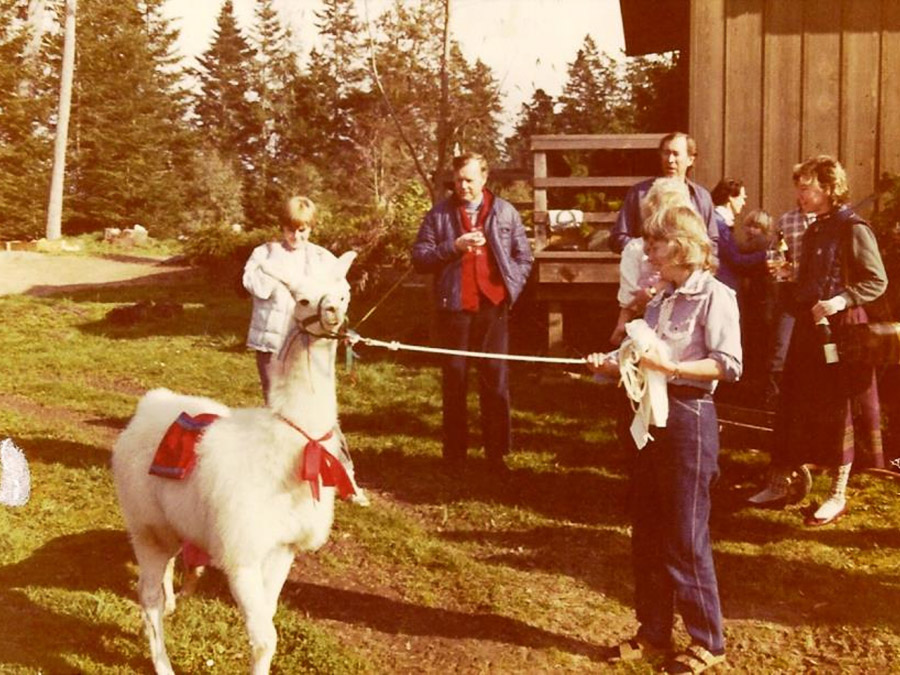
1984 | A Llama Named Sandy
Joan wanted sheep.
Jeff had another idea.
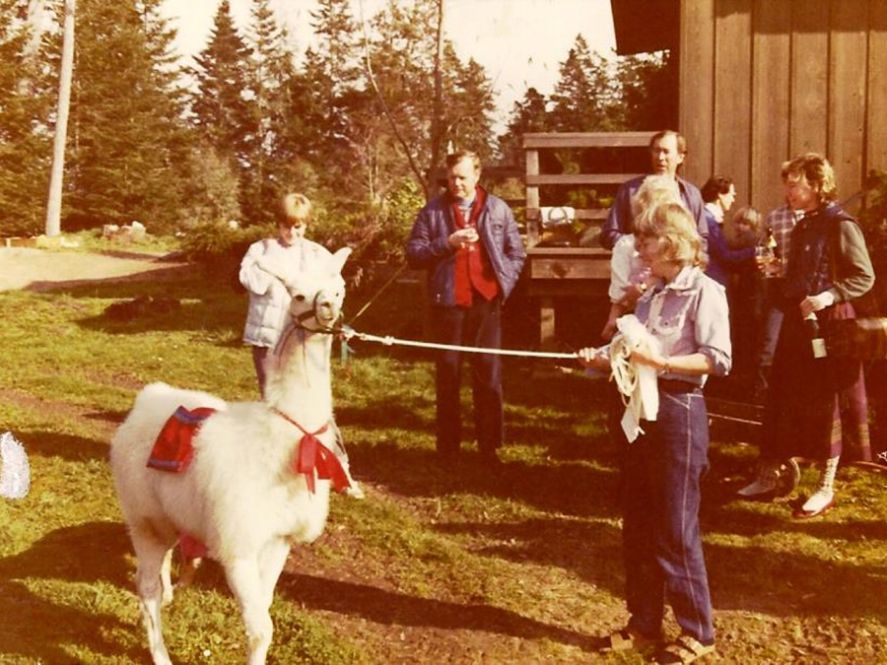
After reading about llamas, he learned of a short-haired male in Westport that needed a new home. Sandy Bay Mountain — “Sandy” — arrived at the Inn as an anniversary surprise for Joan.
Sandy became part of Inn life, wandering into the Stanfords’ quarters and spending time in the enclosed walkway that served as reception and the breakfast area.
Animals would increasingly become part of both the Stanford Inn experience and the philosophy taking shape there.
1985 | A Change in Thinking
While recovering from a hip injury, Jeff experienced what he describes as an epiphany.
Joan was preparing a chicken for dinner, and Jeff realized that he was unwilling to kill the animal himself. Asking someone else to do something he would not do for himself or his family suddenly felt inconsistent with his values.
He loved animals. He loved nature.
And something changed.
It was an early step in a journey that would eventually transform the food served at the Inn and lead Ravens Restaurant to become entirely plant-based.
That Spring, the septic system failed. A local engineer designed a technically beautiful system and Kris Williams, who had assisted Jeff with the many improvements to the Inn, stepped-up to oversee the installation of the system, while Jeff’s hip recouped. Kris was the son of Art and Katherine Williams, former owners, and was raised on the property.
Jeff became inspired to plant trees and bushes over what had been the failed septic field, planning to thin them out if they grew too large. However, loving trees, bushes, even weeds, he allowed them to grow.
By the end of 1985, Jeff began experiencing “energies on the land” and was seeing lights moving among the plants – wherever he looked. One evening after Kris and he were finished cleaning up, Jeff saw one of the lights move and moved his head, following it, while Kris did the same. “Did you see that?’ “Yes, I thought it was something wrong with my eyes!” Nature was opening to them.
1985–1989 | From Flowers to an Organic Farm
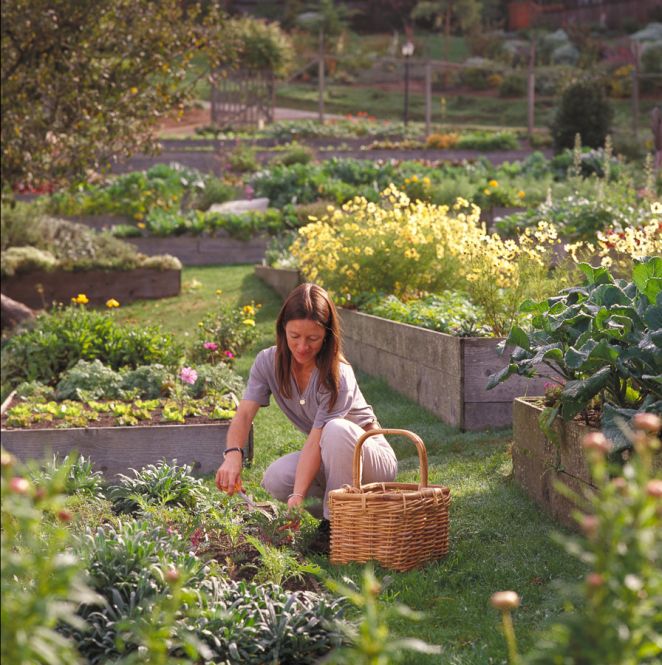
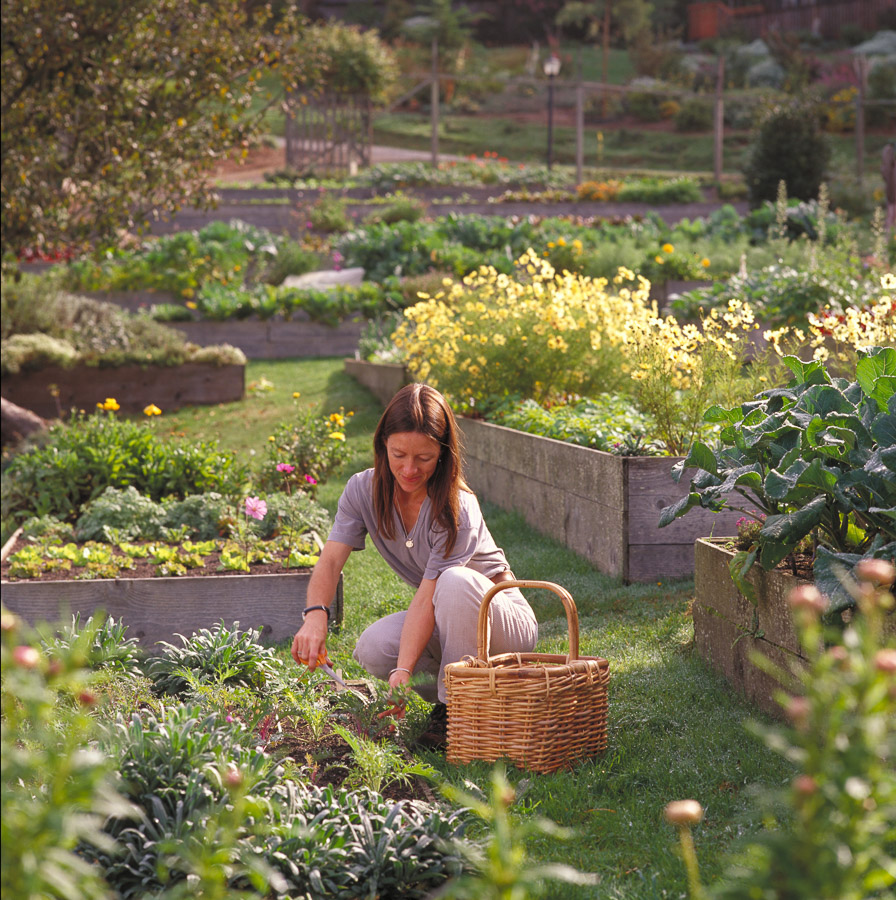
What began as an idea to grow flowers for the guest accommodations became something much bigger. Kris suggested growing vegetables and he and Jeff began cultivating the hillside below the driveway to the Lodge, planting broccoli, kale, chard and other vegetables among marigolds.
Big River Nurseries was born.
In 1987 the Stanfords applied for organic certification. Two years later, the farm became the 27th certified organic farm in Mendocino County.
That year, Dana Ecelberger joined the Stanford Inn team, bringing a variety of experiences, but not farming or gardening. She had dreamt of coming to Mendocino, to this place, the Stanford Inn, and she took a job as a gardener. She learned, eventually taking over Big River Nurseries. The Stanford Inn is on the site of a historic farm, the former site of Mendocino’s China Gardens. Dana became a certified Master Gardener.
The gardens that began almost incidentally would eventually become central to the Stanford Inn’s relationship with food, land and sustainability.
1986 | Catch A Canoe transformed into Catch A Canoe & Bicycles, too!
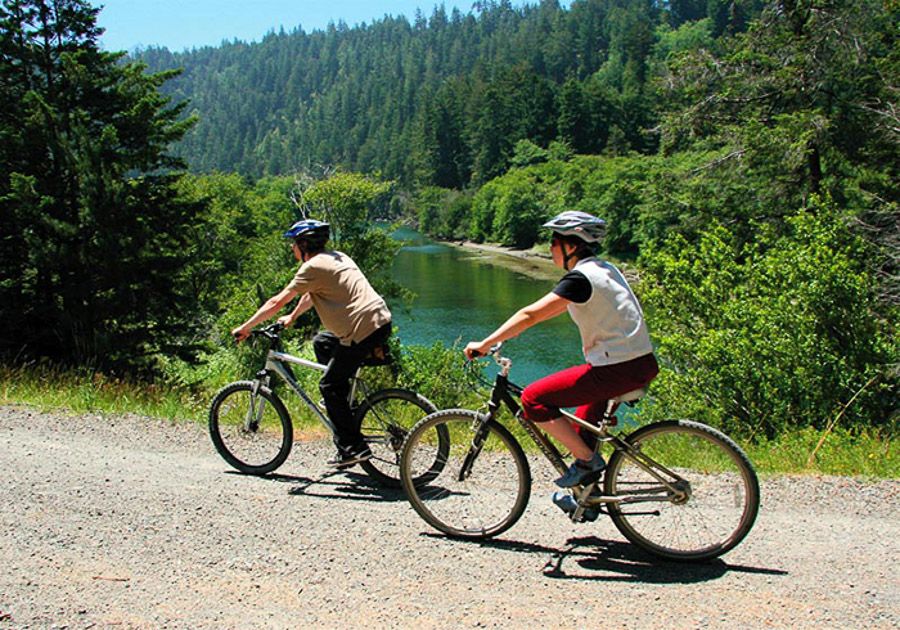
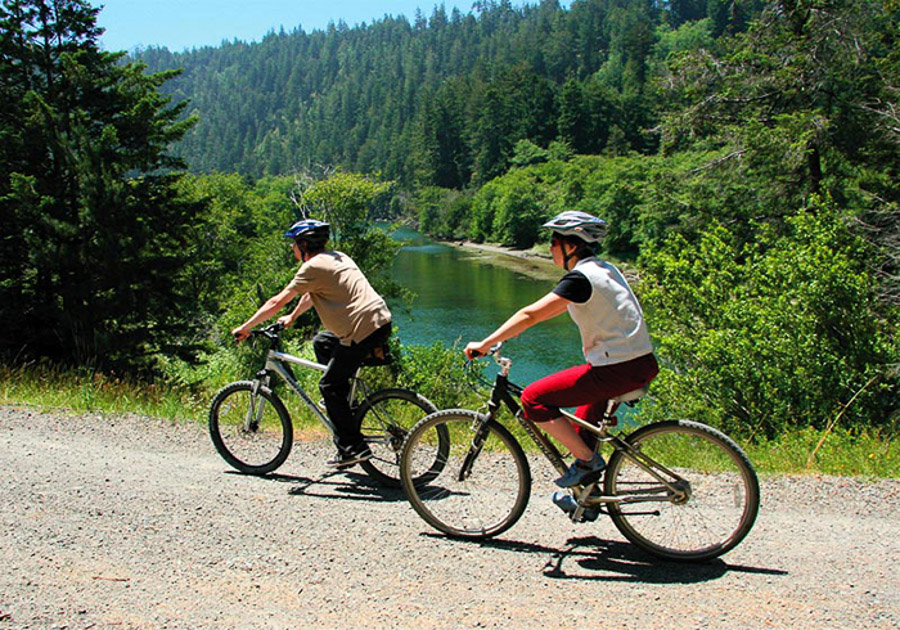
When Joan and Jeff took over Big River Lodge, they purchased a small fleet of bikes for guests to borrow. Their idea was to get people into nature and add interest by providing what became mountain bikes, only these were 10 speed upright bikes without dropped bars found on road bikes. Jeff had considerable bicycling experience and also repaired bikes.
Once Catch A Canoe was up and running, Joan and Jeff wanted to convert part of the boat house into a bike shop and repair service. And in 1986, Rick Hemmings moved to Mendocino bringing considerable talents, including sales, bike knowledge, maintenance experience, and boat designing. The name was changed!
1990 | Wellness Comes to the Inn
When Jeff wanted to purchase a LifeCycle stationary bike, Joan agreed on one condition:
“Only if you build a pool.”
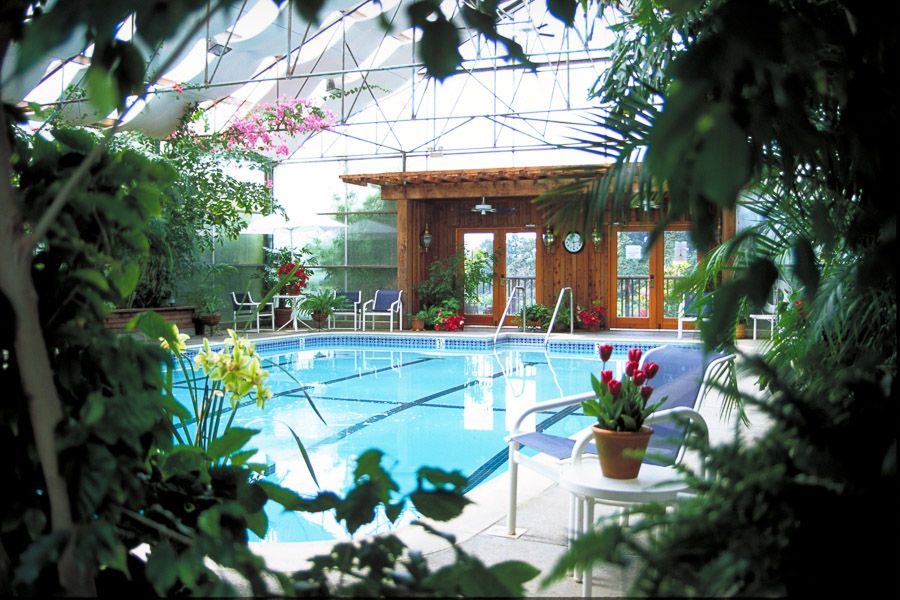
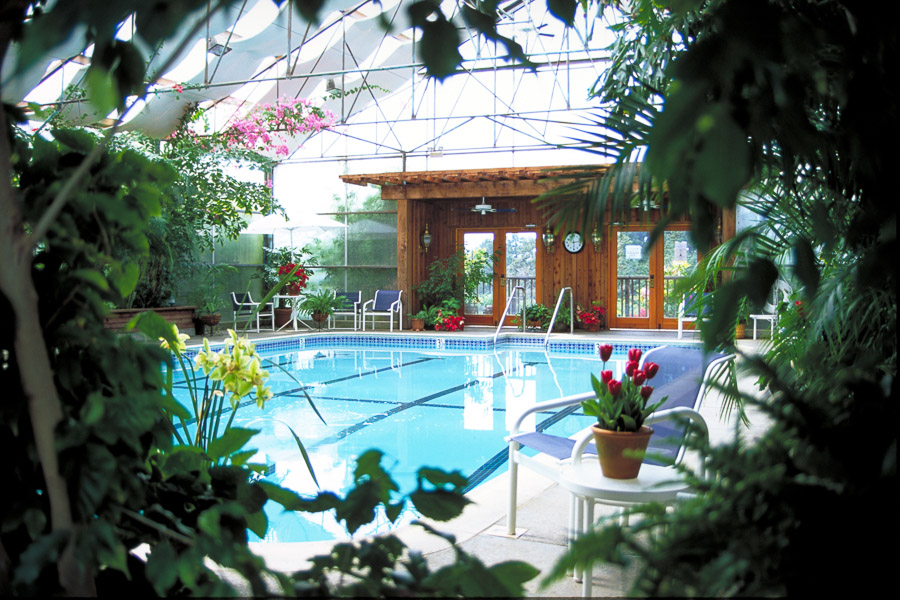
Mendocino weather presented a challenge, but the Stanfords already had greenhouses.
So they put a swimming pool inside one.
That same year, Dee Brader approached Joan and Jeff about offering therapeutic massage. They welcomed the idea, and offered massage to guests without taking a commission. There was no spa yet, so Dee carried her massage table from guest room to guest room. Dee, like Alpha, Jill, Kris, and Dana, became an essential part of the Inn. Many of those on whom she worked called her a “healer”.
Long before “wellness travel” became an industry, another part of the Stanford Inn identity was taking shape.
1991 | Yoga, Montessori & Creativity
Andreya von Waldenfels-Marks suggested offering yoga around the newly completed pool for guests and local residents. The Stanford Inn may have been among the earliest traditional bed-and-breakfast inns to make yoga part of the guest experience.
At the same time, Joan was exploring another path.
She trained in Montessori education, an experience that deepened her interest in creativity, self-discovery and art. That exploration would eventually lead to graduate study in psychology and art therapy — and would profoundly influence the creative experiences later offered at the Inn.
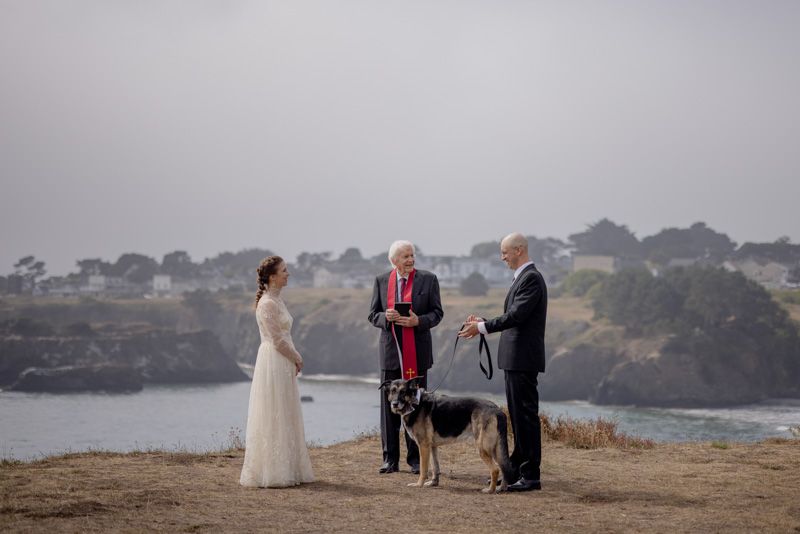
And Jeff was beginning to assist guests and residents with weddings and bereavement.
1995–1997 | The Inn Grows
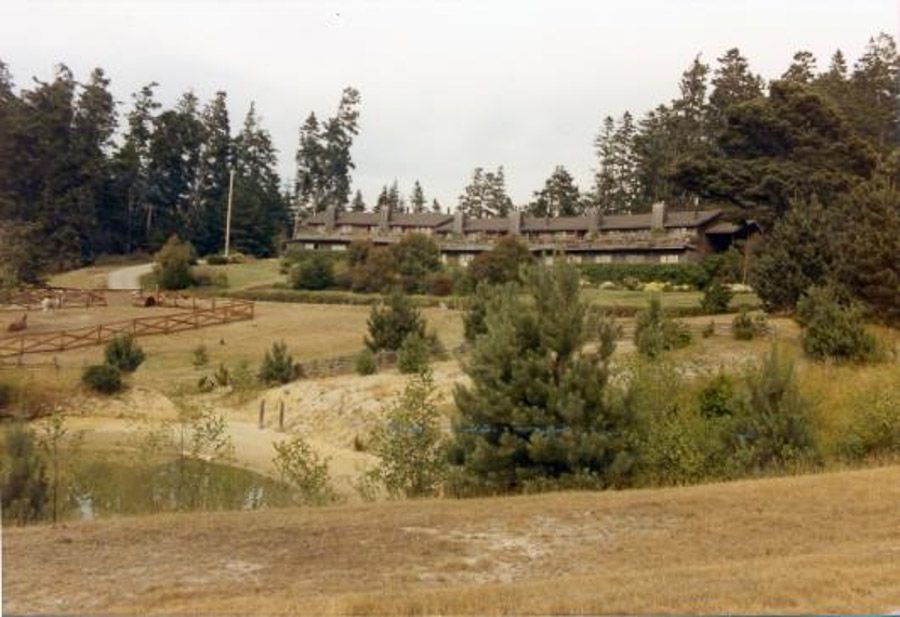
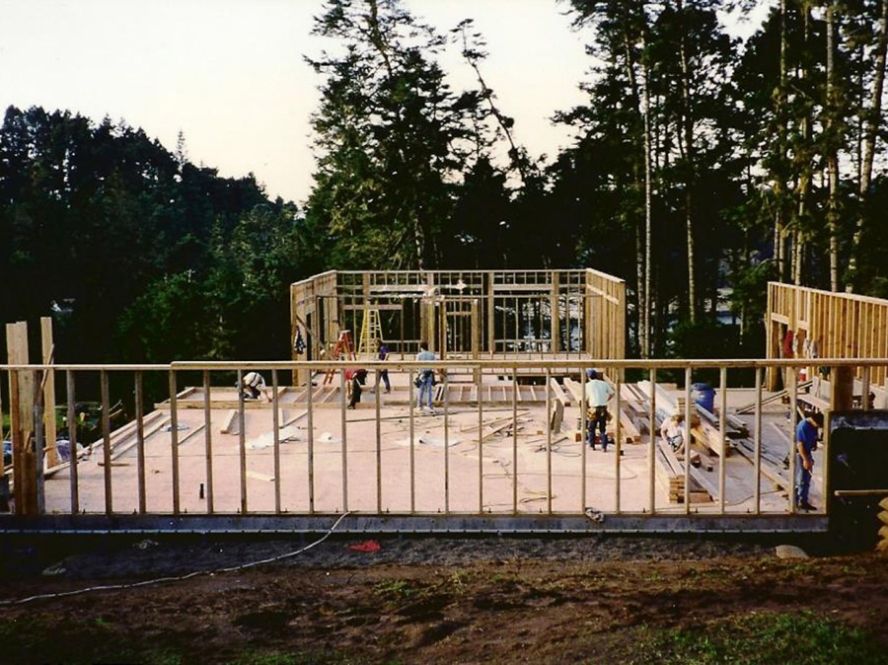
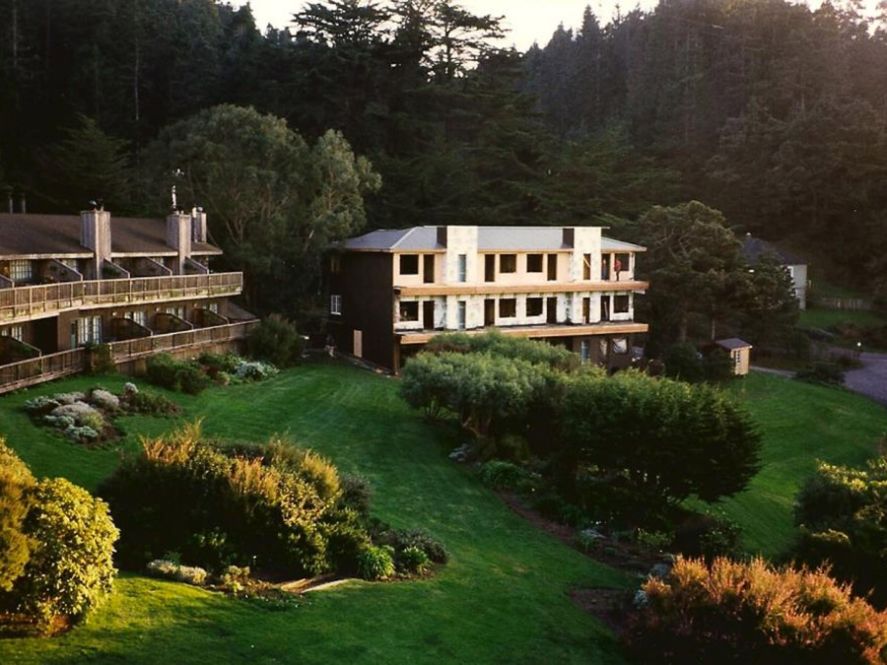
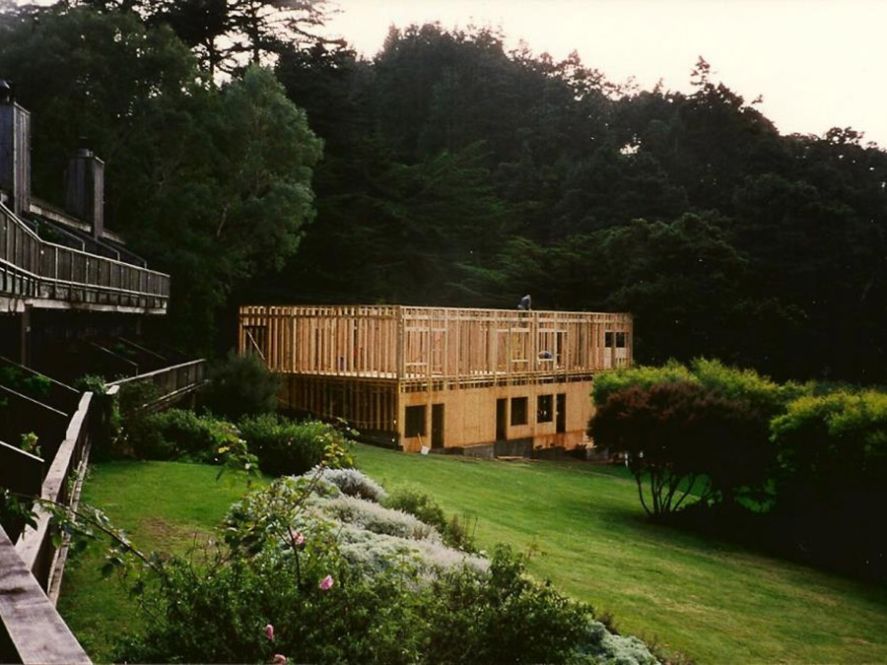
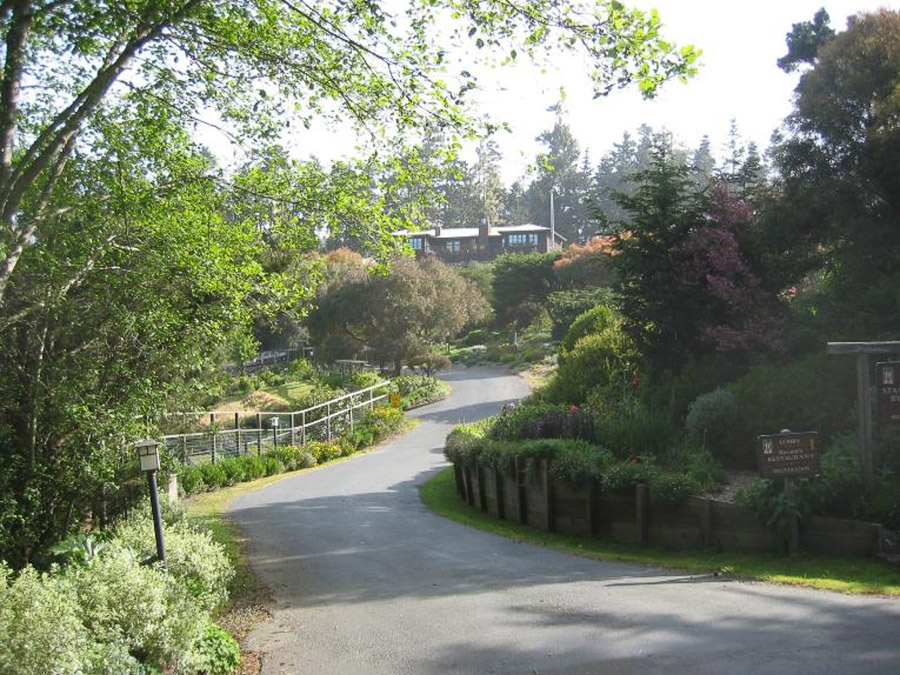
Construction began on what would become the common building and Forest accommodations, adding suites, meeting rooms, fitness spaces, a new lobby and the future home of Ravens Restaurant.
The Forest building opened in July 1996, followed by the common building in August.
That fall, Jack Schwarz’s Aletheia Institute moved from Grants Pass, Oregon, to the Stanford Inn, bringing its integrated approach to wellness to the property.
In 1997, Ravens Restaurant opened.
The Stanford Inn was becoming something larger than a place to stay.

1998–1999 | Inner Life & Creative Life
The late 1990s brought important developments in Joan and Jeff’s individual journeys — experiences that would also influence the character of the Inn.
In 1998, Jeff was ordained through the Universal Church of the Master, whose teachings reflected a Christian interpretation of Theosophy. The path complemented his longstanding interest in counseling, human potential and the inner life.
That same year, the Inn began a partnership with the Natural Gourmet Cooking School in New York City, eventually leading to relationships with other culinary programs around the country.
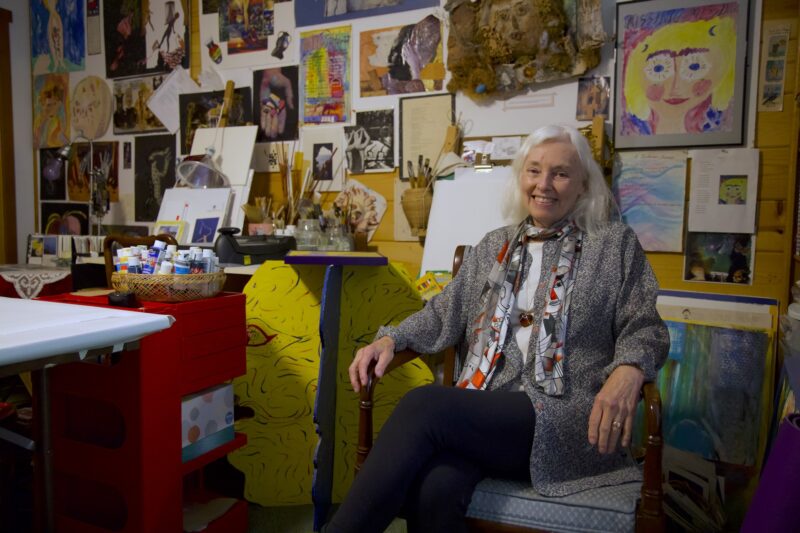
In 1999, Joan earned a master’s degree in psychology with a specialization in art therapy. She became a Board Certified Art Therapist and worked in local schools, continuing to explore the ways creativity could foster expression, insight and healing.
And in this period, Skye Huber, joined the Stanford Inn Team in housekeeping, then working in every area, and becoming, if titles were used, general manager.
2004 | From Vegetarian to Plant-Based
Another revelation changed the direction of Ravens Restaurant.
As Jeff learned more about the treatment of calves and cows in dairy production and chickens in hatcheries, he began reconsidering foods that had previously seemed compatible with a vegetarian philosophy.
The result was he immediately quit consuming dairy and eggs and began the transformation of Ravens from vegetarian to entirely plant-based cuisine.
It was not simply a menu change.
It reflected an evolving philosophy about compassion, health, animals and the interconnectedness of life.
2006–2013 | Learning, Sustainability & Whole Foods
2006 found Ravens in need of bartender. Sid Garza-Hillman a new resident to the area applied mostly because the Inn was vegetarian and he was vegan. Sid saw a need for a director for the restaurant and a nutritionist. Beginning by helping manage the restaurant and taking classes in nutrition he joined our work with the community creating a wellness center.
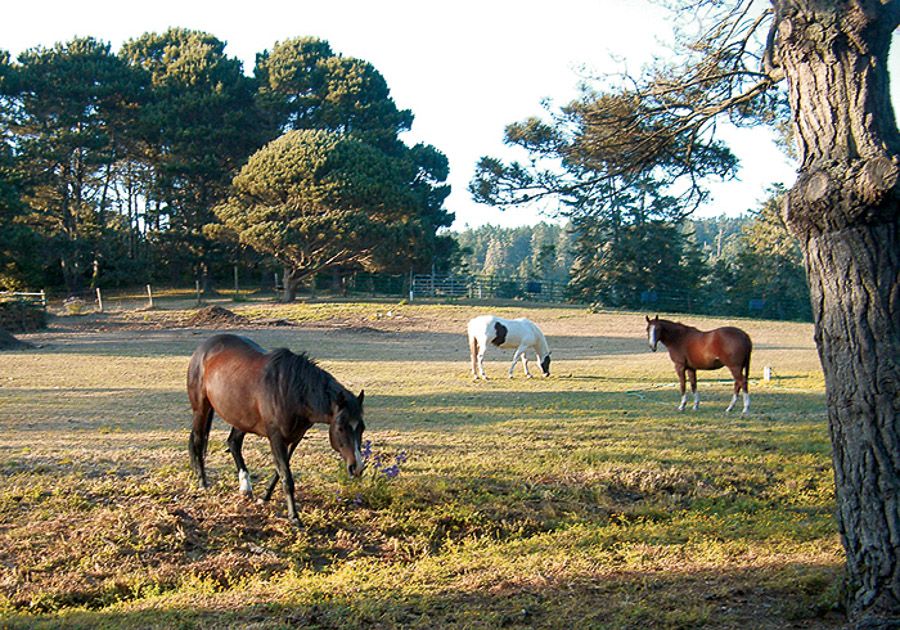
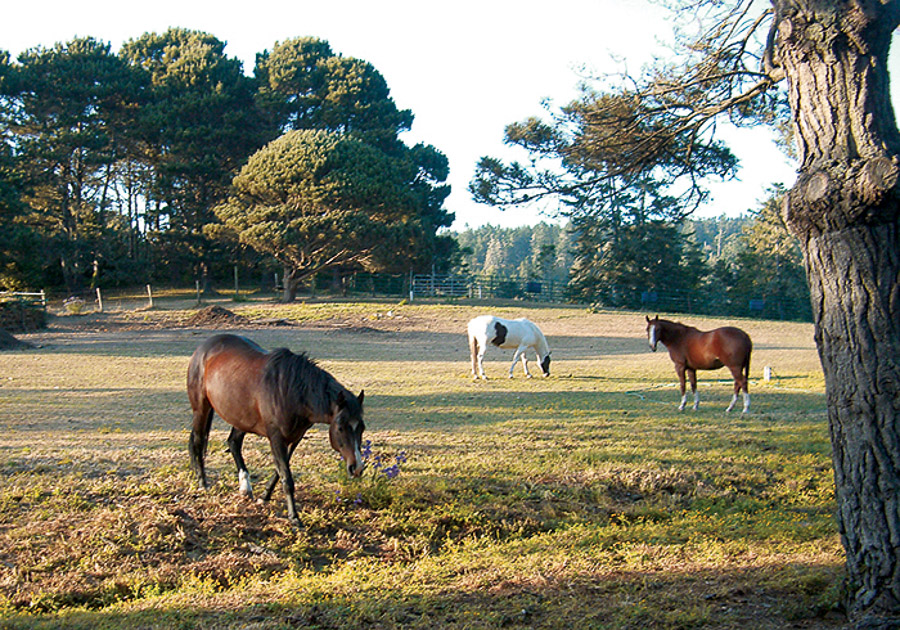
In 2007, the Stanford Inn began a partnership with John Jeavons’ GROW BIOINTENSIVE® program. A new garden was started in the horse pasture to train interns from around the world in effective, restorative, farming.
In 2012, the Stanfords along with Sid, gardeners and chefs developed the Sustainable Mindset Field School, inviting undergraduate students from colleges and universities to explore sustainability not simply as a collection of environmental practices, but as a way of thinking.
Their continuing exploration of human development also influenced Ravens. By 2013, the restaurant’s cooking had moved increasingly toward whole-food dishes.
The Inn continued to evolve because Joan and Jeff continued to evolve.
2016 | Sharing What They Had Learned
2016 brought two important books into the Stanford Inn story.
Dining at The Ravens was published by BenBella Books, sharing the food and philosophy that had developed at Ravens Restaurant.
Joan’s The Art of Play: Ignite Your Imagination to Unlock Insight, Healing, and Joy was released by She Writes Press.
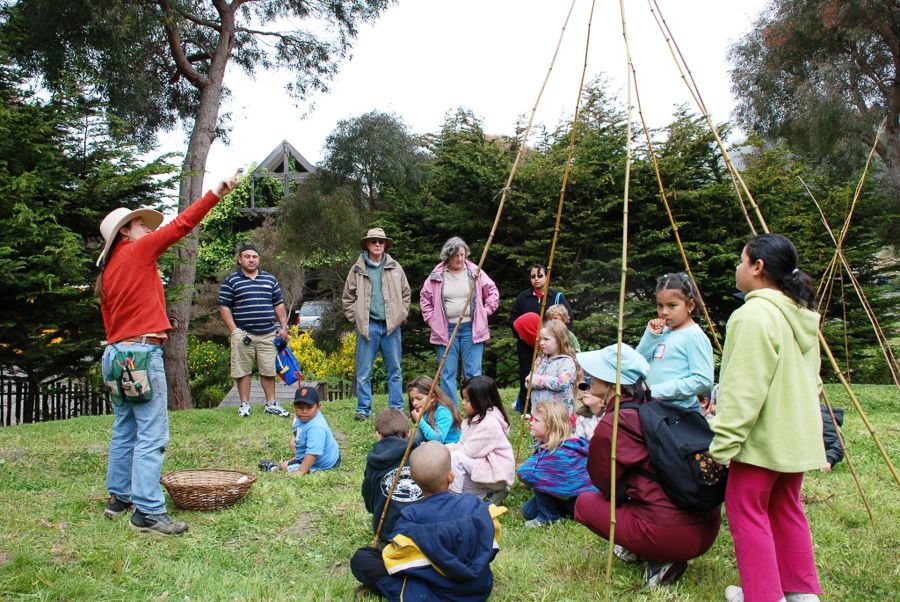
Joan also developed Art Playshops, inviting participants not to worry about creating “good art,” but to experience the freedom, discovery and joy that can come simply from playing creatively.
The work that had begun decades earlier with Joan’s exploration of Montessori education and later art therapy had found another home at the Inn.
2020 | Forty Years
September 2020 marked forty years since Joan and Jeff arrived at Big River Lodge.
It was an anniversary unlike any they could have anticipated, occurring in the midst of the COVID-19 pandemic.
Yet the milestone represented four decades of adaptation, experimentation, relationships, setbacks, discoveries and growth.
2026 | 46 Years — A Journey of Discovery
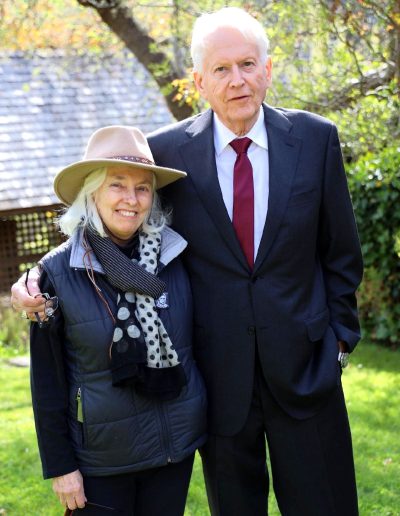
On September 15, 2026, Joan and Jeff celebrated 46 years of innkeeping on the Mendocino Coast.
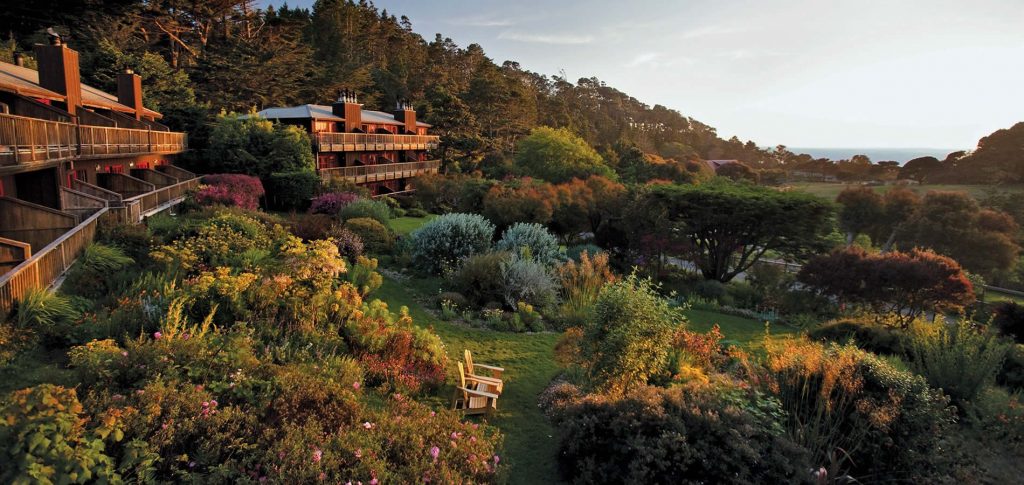
The small lodge they discovered in 1980 had become the Stanford Inn — a destination resort and farm shaped by organic gardening, plant-based dining, wellness, creativity, animals, sustainability and a deep relationship with the natural world.
Perhaps the most important part of the Stanford Inn story is that it has never really been about following trends. And it was never about just Joan and Jeff, but those who contributed ideas, skills, and enthusiasm. Jill Titus, the first hire, and those mentioned here, Kris Williams, Rick Hemmings, Dana Ecelberger, Dee Brader, Andreya von Waldenfels-Marks, Jack Schwarz, Skye Huber, Sid Garza-Hillman, and those not mentioned were and are essential – their enthusiasm – create an everchanging community that provide experiences for guests, residents, and one another that exemplifies life in a community centered on compassion and nature.
Many of the ideas now associated with sustainable and wellness travel appeared here years — sometimes decades — before they became commonplace.
They appeared because Joan and Jeff were curious.
They learned.
They questioned.
They changed.
And when something changed their own lives for the better, they found a way to share it with their guests.
Self-Discovery: Perhaps the Ultimate Stanford Inn Legacy
Over the years, guests have described coming to the Stanford Inn as an opportunity to encounter their best selves — the person they strive to be, but whom the responsibilities, pressures and distractions of everyday life can sometimes make difficult to find.
Here, surrounded by nature, compassion, creativity and a different way of living, there is space to reconnect with that person.
Perhaps that is the deepest expression of the Stanford Inn legacy: creating a place where people can rediscover who they truly are — and carry a little more of that person home with them.
Enjoy Our Random Gallery of The Stanford Inn Story
1980 ~ 2026